1. Biography
José Rafael Moneo Vallés's life and career are marked by a deep commitment to architectural education and practice, shaped by early influences and a rigorous academic journey.
1.1. Birth and Early Life
José Rafael Moneo Vallés was born on 9 May 1937, in Tudela, Navarre, Spain. In his youth, Moneo initially harbored interests in philosophy and poetry, without a clear concept of architecture as a profession. However, his father, an industrial engineer, played a pivotal role in guiding his attention toward the field of architecture, setting the course for his future career.
1.2. Education
Moneo pursued his architectural studies at the ETSAM, Technical University of Madrid (UPM), where he earned his architectural degree in 1961. During his time at the university, he was significantly influenced by Professor Leopoldo Torres Balbás, who taught him architectural history. Following his graduation, Moneo continued his professional development abroad. In 1962, he received a small scholarship from the Spanish Academy in Rome (Academy of Spain in Rome), Italy, which allowed him to reside there for two years. This period proved formative, as he had the opportunity to meet and engage with prominent contemporary figures such as Bruno Zevi, Manfredo Tafuri, and Paolo Portoghesi. Upon his return to Spain in 1965, he began teaching and completed his doctoral degree at the Madrid School of Architecture.
2. Architectural Career
Moneo's architectural career is characterized by a blend of influential mentorships, a distinctive professional practice, and a significant academic presence that has shaped generations of architects.
2.1. Early Influences and Mentors
From 1958 to 1961, Moneo worked in the Madrid office of the renowned architect Francisco Javier Sáenz de Oiza, gaining practical experience during his student years. He also studied under Alejandro de la Sota, another leading Spanish architect of the mid-20th century. After completing his degree in 1961, Moneo traveled to Denmark to work for the Danish architect Jørn Utzon, where he contributed to the design of the iconic Sydney Opera House in Australia. This experience exposed him to Nordic architecture, which profoundly influenced his vision. During his travels across the Scandinavian Peninsula, he also had the opportunity to meet and interact with Alvar Aalto in Helsinki, Finland, further broadening his architectural perspectives. His early education also saw him deeply influenced by Professor Leopoldo Torres Balbás, who instilled in him a strong foundation in architectural history.
2.2. Architectural Practice
José Rafael Moneo established his architectural practice with a core professional principle centered on a deep respect for the context and history of each site. His designs are consistently described as serene and meticulous, aiming to enrich urban spaces rather than imposing alien forms. A hallmark of his methodology is the harmonious combination of aesthetics with functionality, particularly evident in the creation of airy interiors that provide impeccable settings for cultural and spiritual activities. Moneo's approach is characterized by its eclecticism, as he draws inspiration from a wide array of sources, carefully filtering and adapting them to suit the specific background and requirements of each project. This adaptability allows his works to possess diverse appearances while maintaining a coherent underlying philosophy.
2.3. Academic Career
Moneo has maintained an extensive and influential career in academia alongside his architectural practice. He taught architecture in various cities, including Madrid and Barcelona, and his influence extended globally through his teaching positions. In 1970, he transitioned to focusing on research in architectural theory at the School of Architecture in Barcelona. In 1976, he moved to the United States on scholarships from the Institute for Architecture and Urban Studies of New York City and the Cooper Union Irwin S. Chanin School of Architecture. During this period, he served as a visiting professor at prestigious institutions such as Harvard University, Princeton University, and the University of Lausanne in Switzerland. From 1985 to 1990, Moneo held a significant leadership role as the Head of the Architecture Design Course at the Harvard University Graduate School of Design. He has also served as a jury member for various architectural design competitions, including the Shin-Kenchiku Residential Design Competition.
3. Design Philosophy and Style
Moneo's architectural approach is characterized by a profound respect for context and a distinctive aesthetic that blends tradition with modernity.
3.1. Influences
Moneo's architectural thought has been shaped by a diverse array of intellectual and artistic influences. He draws inspiration from modernist masters such as Alvar Aalto, Jørn Utzon, and Frank Lloyd Wright. His work also reflects a deep understanding and appreciation for historical architectural traditions, particularly those of the Roman Empire, evident in his sensitive handling of projects like the National Museum of Roman Art. This blend of historical awareness and modernist principles contributes to his distinctive style. His architectural philosophy is often described as eclectic, as he skillfully synthesizes ideas from various sources, adapting them to the specific context of each design.
3.2. Key Principles and Style
José Rafael Moneo's architectural philosophy is deeply rooted in a profound respect for the site's history and its surrounding context. He is a prominent proponent of critical regionalism, a concept highlighted by architectural critic Kenneth Frampton, which emphasizes integrating buildings with local traditions, materials, and urban fabric rather than imposing universal forms. Moneo's designs are consistently characterized by their serenity and meticulous attention to detail.
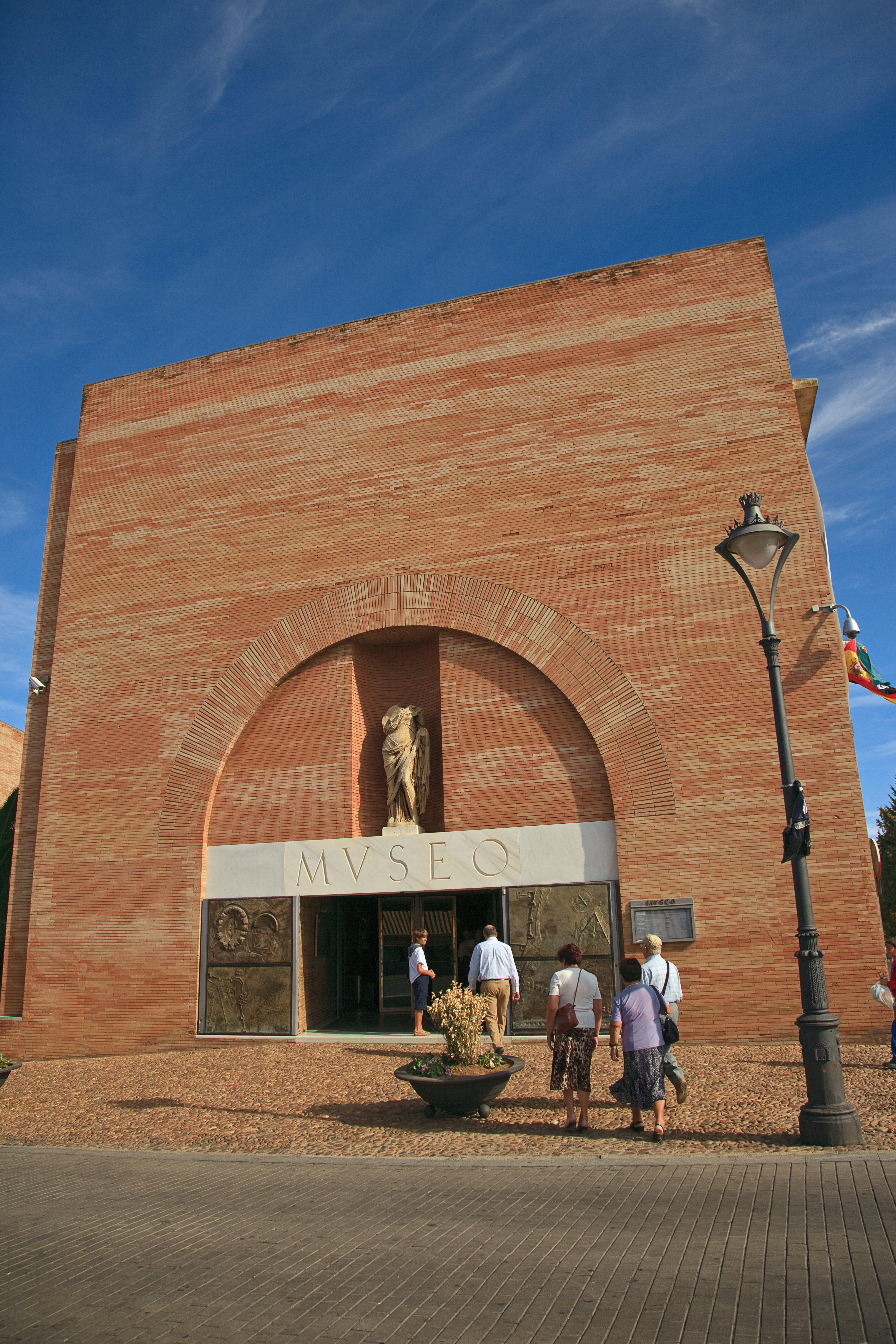
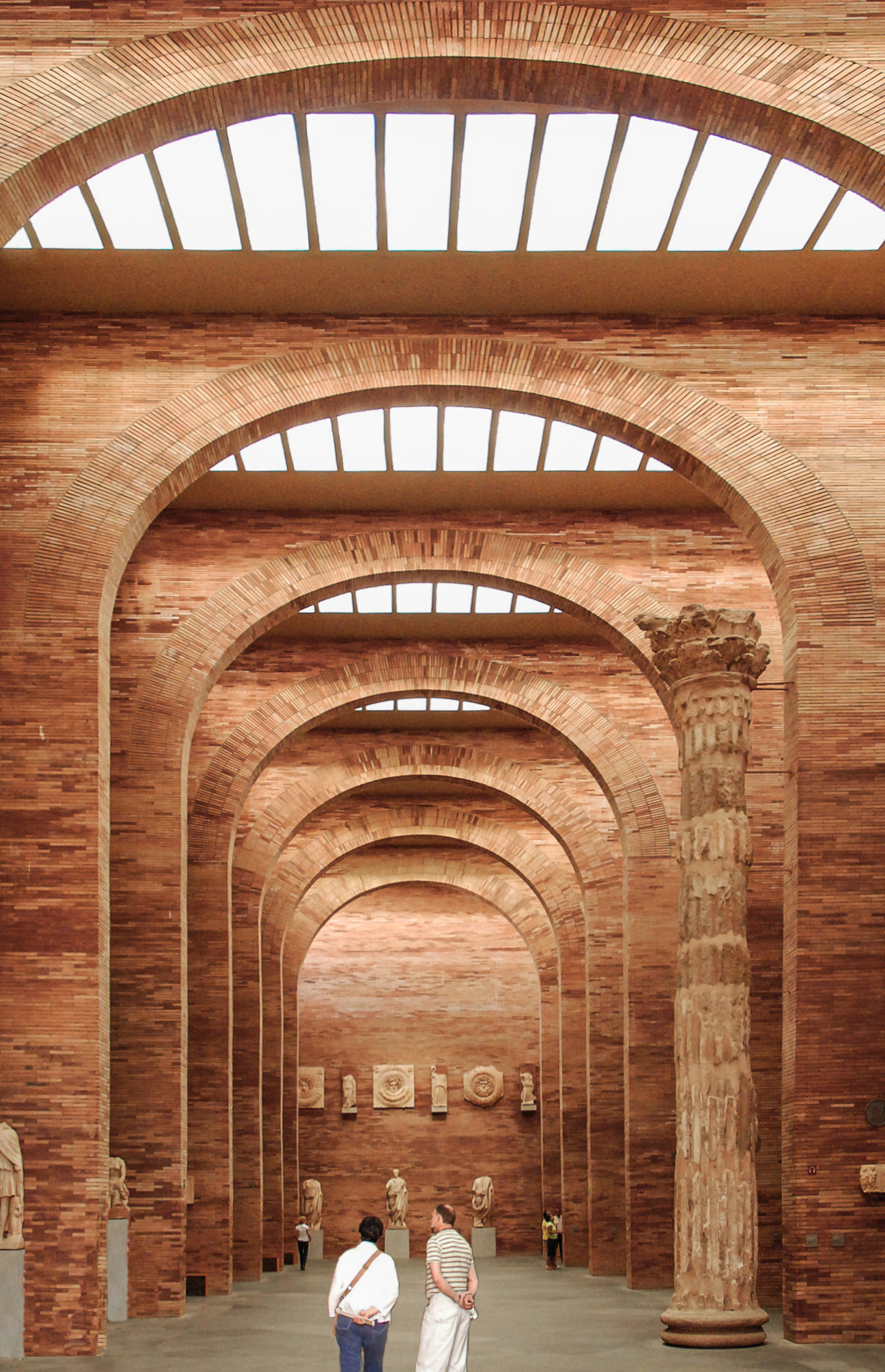
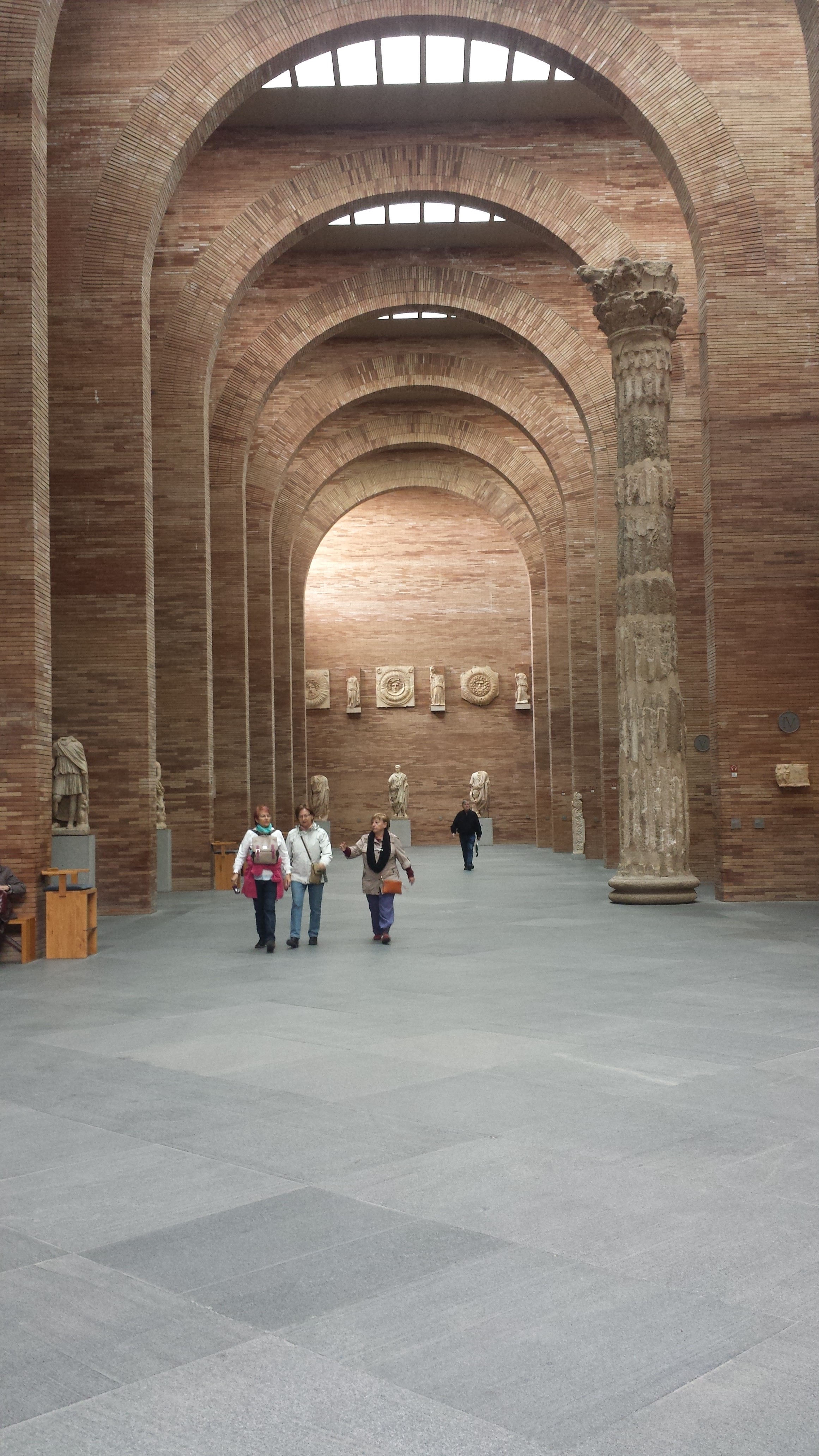
A core principle in his work is the seamless combination of aesthetics with functionality. This is particularly evident in his creation of "airy interiors" that serve as impeccable settings for cultural and spiritual activities. Moneo often employs specific material choices, such as Roman-style bricks in the National Museum of Roman Art, to harmonize with the local context and historical precedents. He also carefully considers the building's height to align with its surroundings.
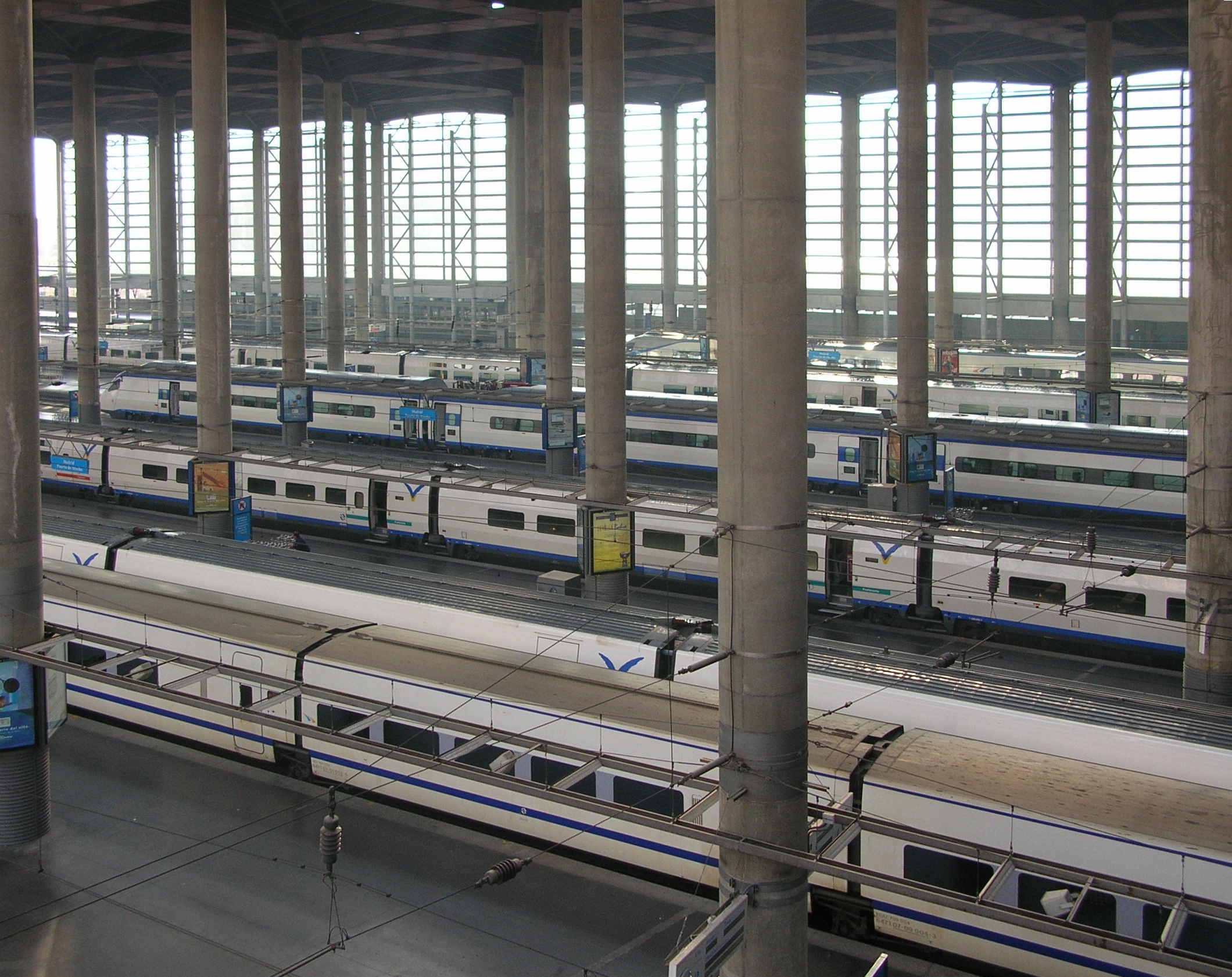
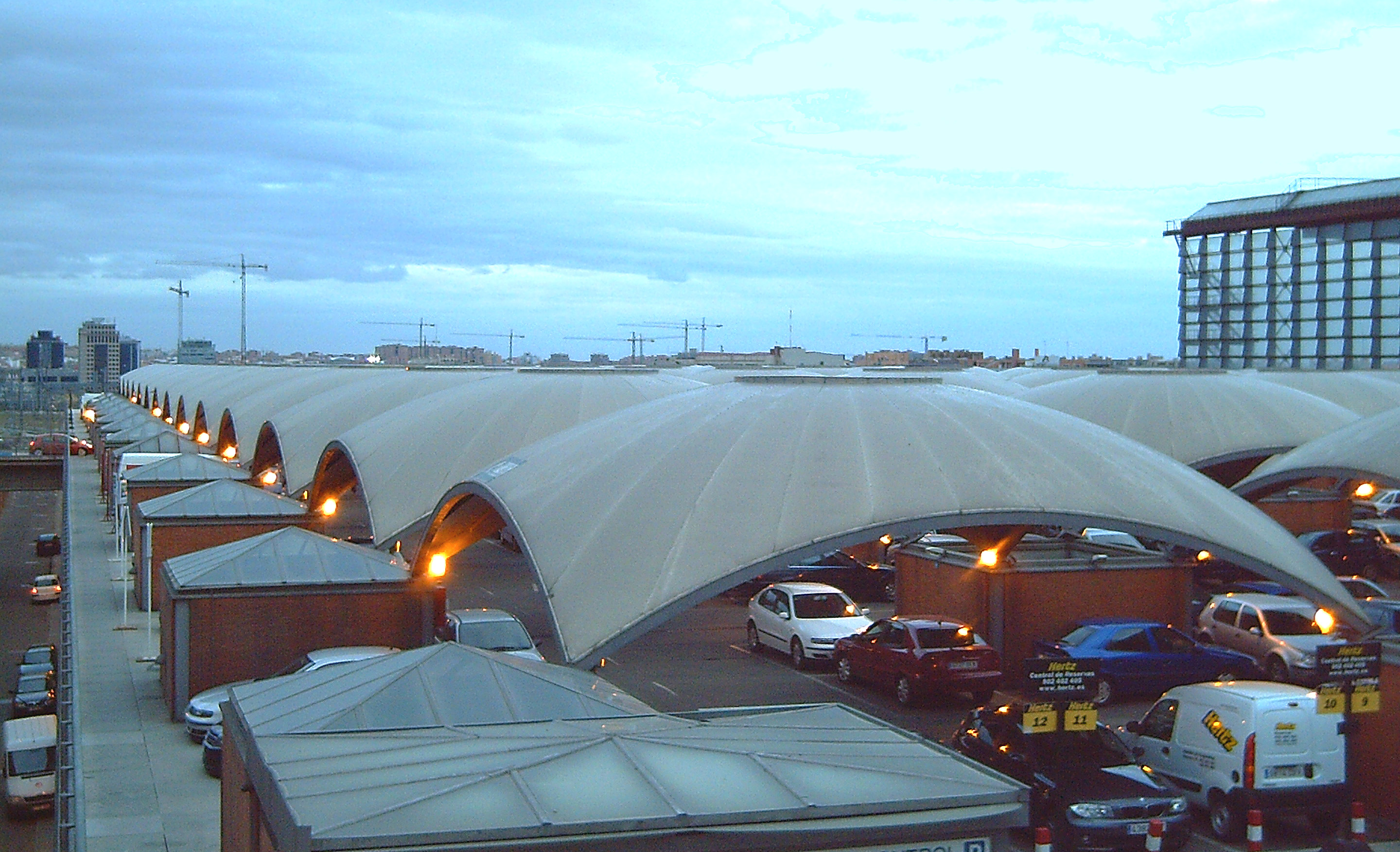
A significant element of his architectural language is the internal articulation and repetition of forms, which creates a rhythmic and distinctive spatial experience. Examples include the continuous sequence of square ceilings at the Atocha Station expansion in Madrid and the rhythmic repetition of vaulted ceilings at the new terminal of Seville Airport. These designs often incorporate top-lighting through their roof structures, which not only illuminates the interiors but also gives the exteriors a unique and memorable impression.
4. Major Works
José Rafael Moneo Vallés has designed a wide array of significant architectural projects across Spain and internationally, contributing to diverse urban and cultural landscapes.

His notable works include:
- Diestre Factory, Zaragoza, Spain (1967)
- Barcelona Concert Hall, Spain (1990)
- Bankinter Headquarters, Madrid, Spain (1977)
- Logroño City Hall, Logroño, Spain (1981)
- National Museum of Roman Art, Mérida, Spain (1986)
- Bank of Spain Jaén Branch, Spain (1988)
- Previsión Española Building, Spain (1988)
- Seville Airport new terminal, Spain (1992)
- Atocha Station expansion, Madrid, Spain (1992)
- Pilar and Joan Miró Foundation, Mallorca, Spain (1992)
- Thyssen-Bornemisza Museum (renovation of Villahermosa Palace), Madrid, Spain (1992)
- Diagonal Building, Spain (1993)
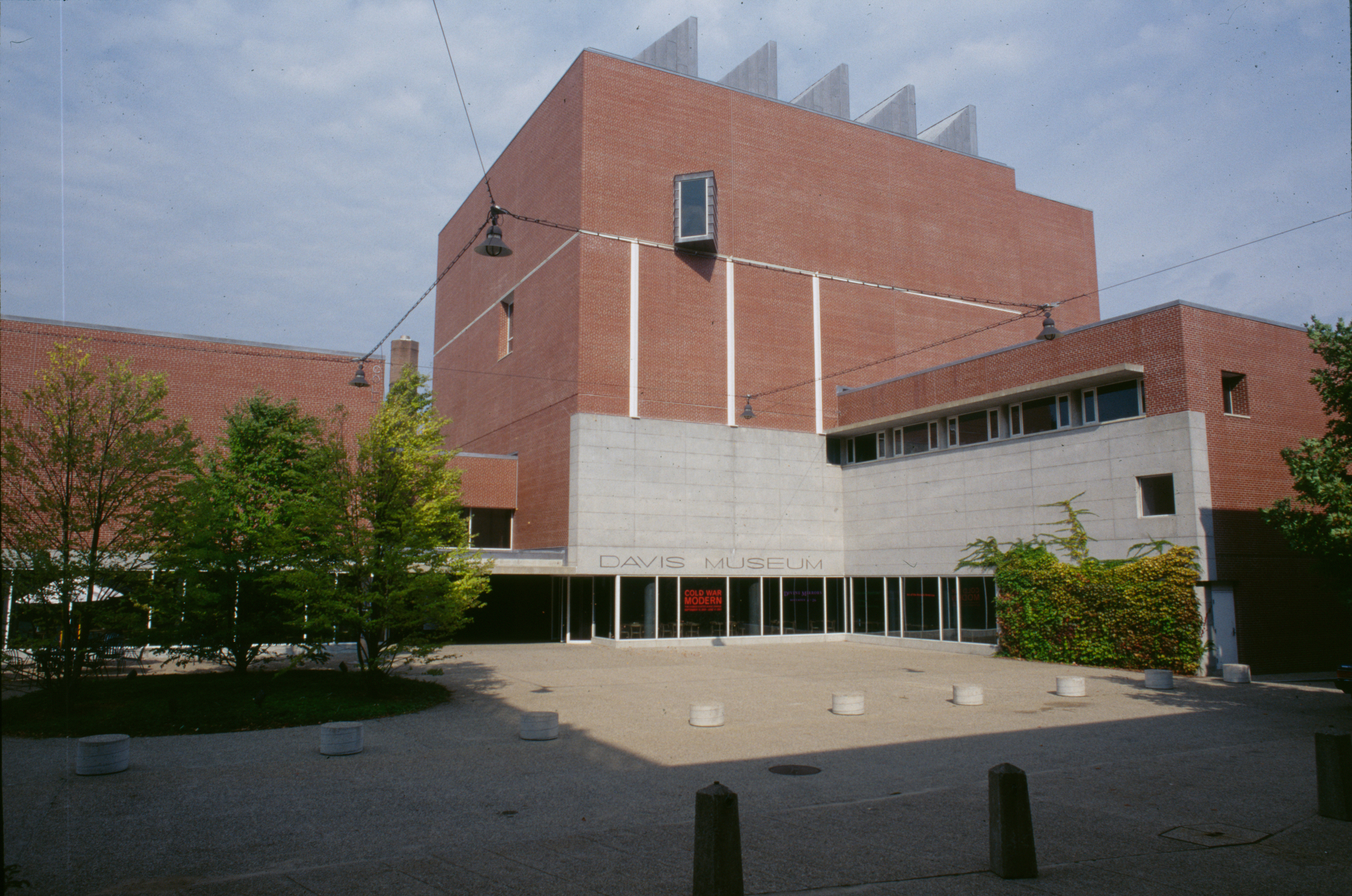
- Davis Art Museum, Wellesley, Massachusetts, United States (1993)
- Moderna Museet and Swedish Centre for Architecture and Design, Stockholm, Sweden (1994/1997)
- Don Benito Cultural Center, Badajoz, Spain (1995)
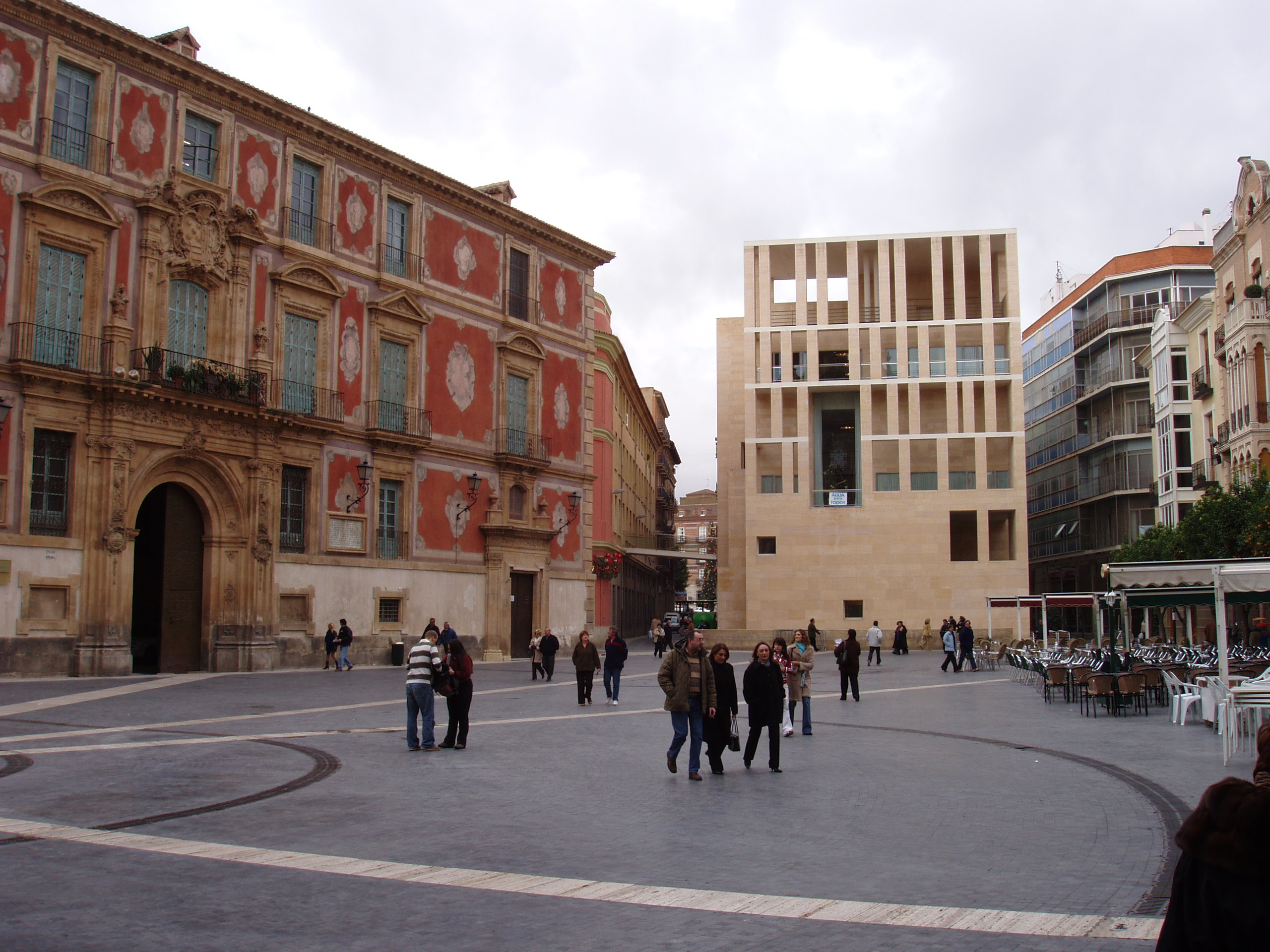
- Murcia City Hall, Spain (1995/1998)
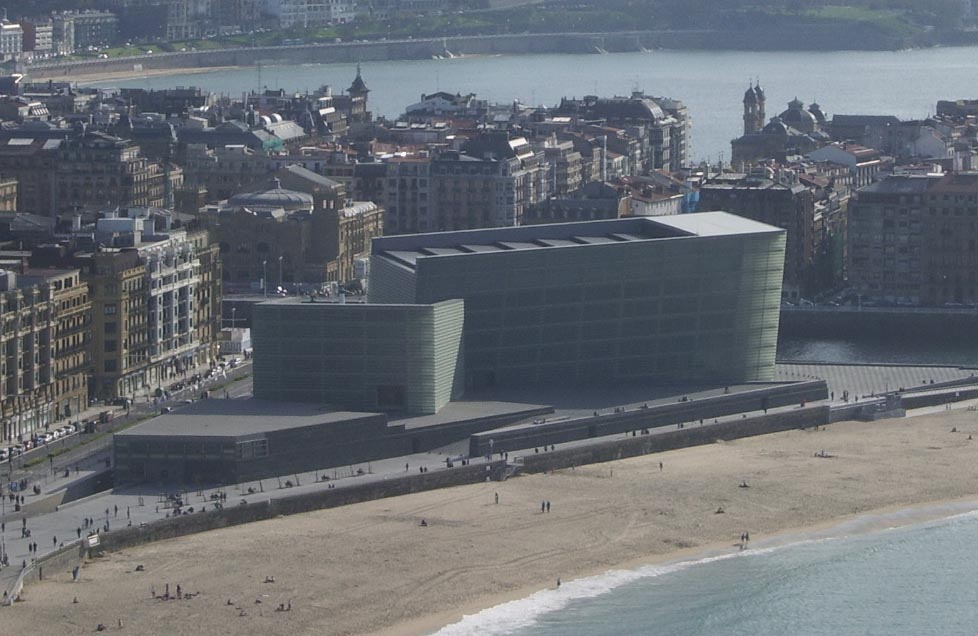
- Kursaal Congress Centre and Auditorium, San Sebastián, Basque Country, Spain (1995/1999)
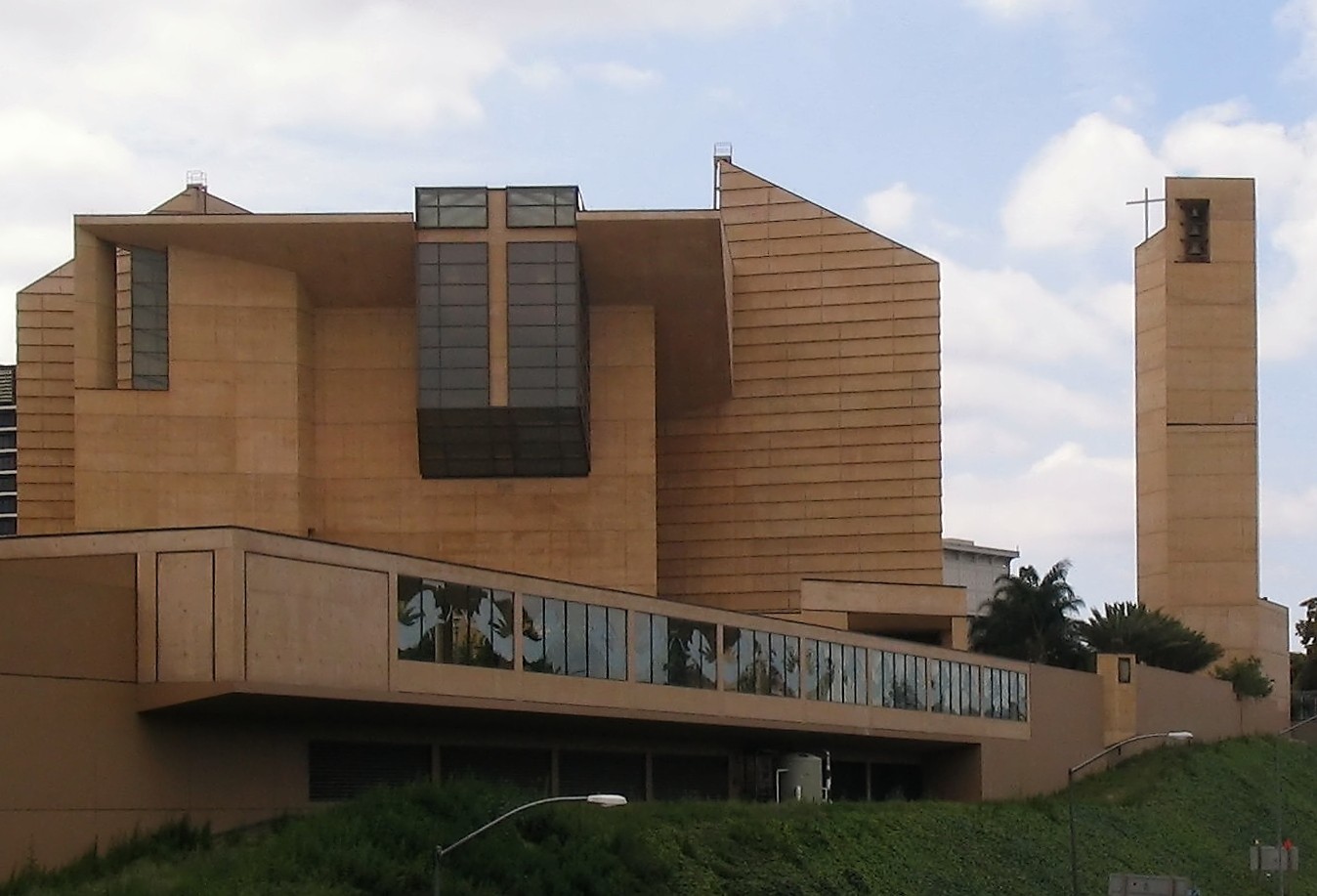
- Cathedral of Our Lady of the Angels, Los Angeles, California, United States (1996/2002)
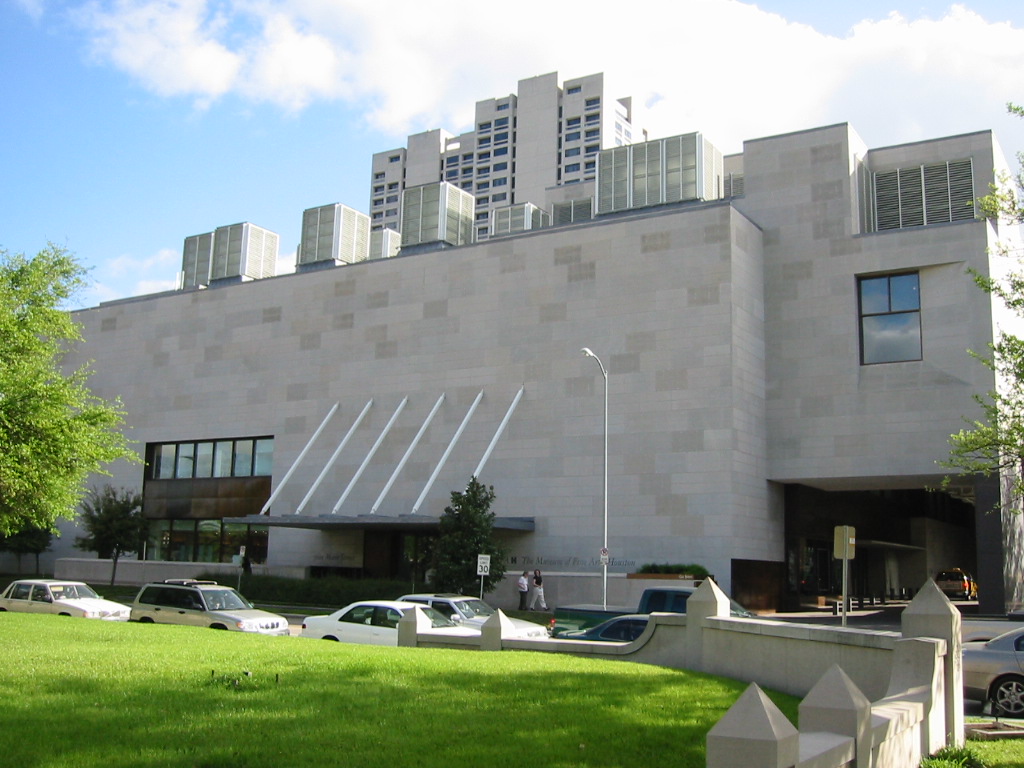
- Audrey Jones Beck Building (an expansion of the Museum of Fine Arts, Houston), Houston, Texas, United States (2000)
- Library of Sciences, Heverlee, Katholieke Universiteit Leuven, Belgium (2000)
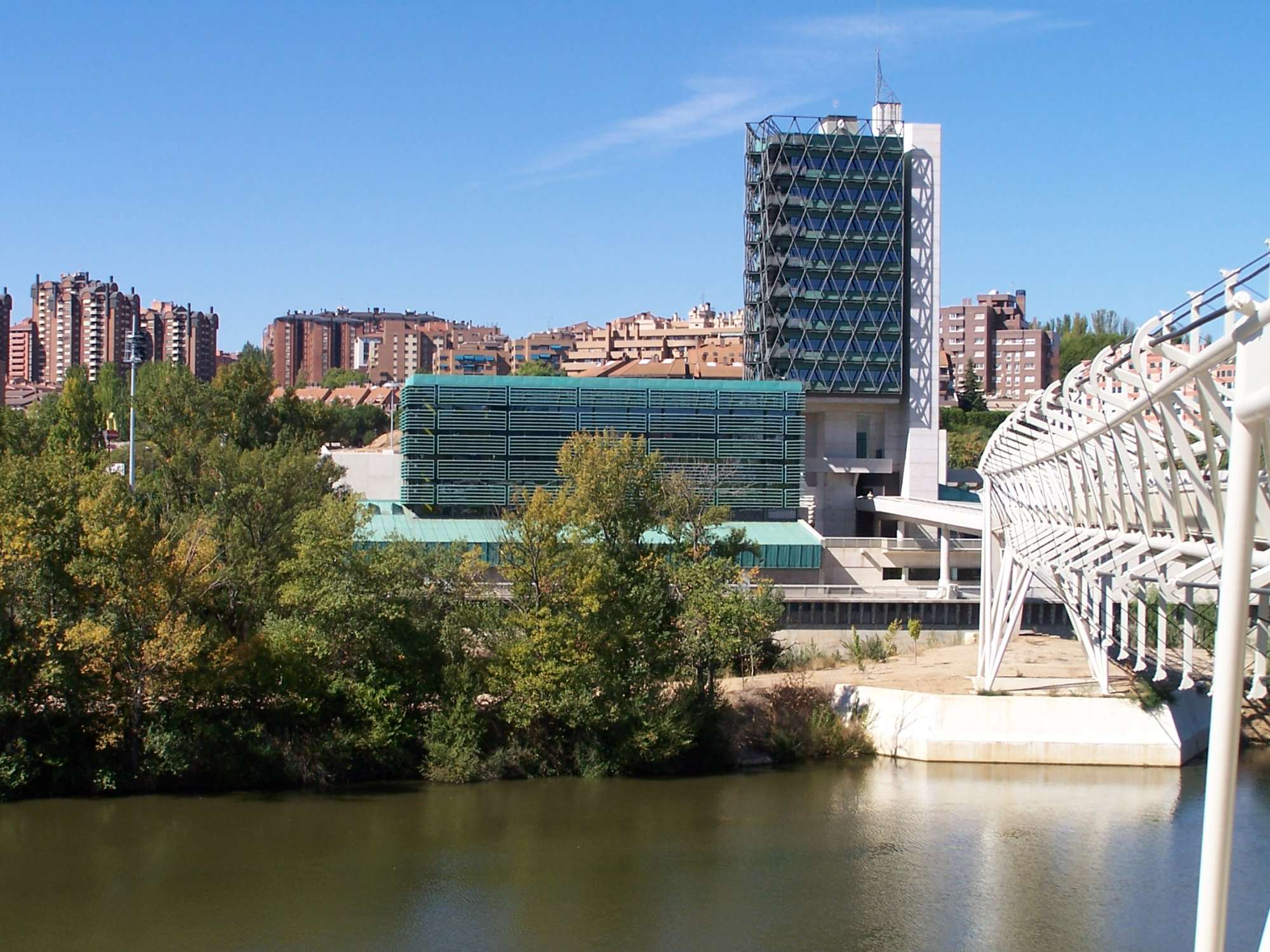
- Valladolid Science Museum, Valladolid, Spain (2003)
- Museo del Prado expansion, Madrid, Spain (2007)
- New Library of the University of Deusto, Bilbao, Basque Country, Spain (2009)
- Northwest Corner Building (formerly the Interdepartmental Science Building) at Columbia University, New York City, New York, United States (2010)
- Peretsman-Scully Hall and the Princeton Neuroscience Institute, which houses the psychology and neuroscience departments at Princeton University, Princeton, New Jersey, United States (2013)
- Museum University of Navarra, Pamplona, Spain (2015)
- Grand Hyatt Berlin, Germany
5. Awards and Honors
José Rafael Moneo has received extensive recognition for his contributions to architecture, accumulating numerous prestigious awards and honors throughout his career.
- National Architecture Award of Spain (1961, 2015)
- Gold Medal for Art from the Spanish Royal Government (1992)
- Honorary Award from the American Institute of Architects (AIA) (1993)
- Prince of Viana Award from the Government of Navarre, Spain (1993)
- Honorary Member of the American Academy of Arts and Sciences (1993)
- UIA Gold Medal (1996)
- Gold Medal of the French Academy of Architecture (1996)
- Pritzker Prize (1996)
- RIBA Royal Gold Medal (2003)
- Prince of Asturias Award for the Arts (2012)
- Thomas Jefferson Medal in Architecture (2012)
- Honorary Doctorate from Katholieke Universiteit Leuven, Belgium
- Arnold W. Brunner Memorial Prize from the American Academy of Arts and Letters
- Praemium Imperiale (2017)
- Soane Medal (2017)
- Golden Lion for Lifetime Achievement at the Venice Biennale (2021)
6. Exhibitions and Recognition
Moneo's work has been featured in several international exhibitions, underscoring his global recognition and influence. One notable exhibition was "Rafael Moneo. A Theoretical Reflection from the Profession," curated by his disciple, Francisco González de Canales. Beyond exhibitions, Moneo is widely acknowledged as a master in both academic and professional architectural circles. He has also contributed to the field through his role as a jury member for various architectural design competitions, including the Shin-Kenchiku Residential Design Competition.
7. Legacy and Critical Evaluation
José Rafael Moneo's architectural legacy is characterized by his profound impact on urban environments and his consistent pursuit of a contextual and functional aesthetic, earning him significant critical acclaim.
7.1. Critical Reception
Moneo's work has garnered widespread critical acclaim. The jury for the 2012 Prince of Asturias Award for the Arts lauded him as "a Spanish architect of universal scope whose work enriches urban spaces with an architecture that is serene and meticulous." They further praised him as "an acknowledged master in both the academic and professional field," noting that he "leaves his own mark on each of his creations by making them a weird modern type of building at the same time as combining aesthetics with functionality, especially in the airy interiors that act as impeccable settings for great works of culture and the spirit." Architectural critic Kenneth Frampton specifically identified Moneo with the concept of "critical regionalism," highlighting his ability to integrate contemporary design with local traditions and contexts. The Pritzker Prize jury also described his architecture as "eclectic," appreciating his capacity to draw inspiration from diverse sources and adapt his designs to the specific background of each project.
7.2. Societal and Architectural Impact
Moneo's architectural practice and theories have had a significant impact on contemporary architecture, urbanism, and society. His emphasis on creating "serene and meticulous" buildings that enrich urban spaces aligns with a socially conscious approach to development, contributing to the quality of public life. His commitment to combining aesthetics with functionality ensures that his structures are not merely visually appealing but also highly usable and adaptable. By designing "airy interiors that act as impeccable settings for great works of culture and the spirit," Moneo's buildings foster cultural engagement and provide spaces conducive to human flourishing and intellectual pursuits. His adherence to critical regionalism has influenced how architects approach new constructions within established urban fabrics, promoting designs that respect and respond to local history and identity. This approach helps preserve cultural continuity while allowing for modern architectural expression. The distinctive use of internal articulation and repetition, creating rhythmic and engaging spaces, has also contributed to his unique architectural language, influencing spatial design in contemporary practice.