1. Overview
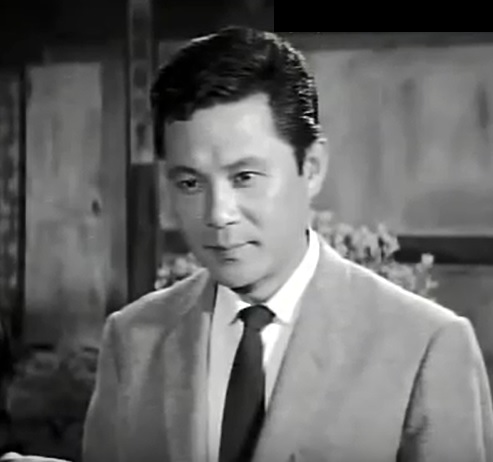
Kim Jin-kyu (김진규Kim Jin-gyuKorean; April 16, 1922 - June 18, 1998) was a highly influential South Korean actor, film director, and producer. Active from 1949 to 1987, he was a pivotal figure during the golden age of Korean cinema in the 1960s, known for his versatile performances and significant contributions to the industry both on and behind the screen.
2. Early Life and Education
Kim Jin-kyu's formative years were shaped by his upbringing in Korea and a period of education in Japan, which included an adoption by a Japanese family.
2.1. Birth and Childhood
Kim Jin-kyu was born on April 16, 1922, in Seocheon, Chungcheongnam-do, which was then part of Korea under Japanese rule. His birth name was 김진규Kim Jin-gyuKorean (金珍圭), although his professional name was 김진규Kim Jin-kyuKorean (金診奎). While his family register indicates his birth date as April 12, 1923, the date April 16, 1922, is recorded in the book "My Destiny's Star Kim Jin-kyu" (2009). After graduating from Seocheon Ordinary School, he worked as an apprentice at an auto repair shop. During his time attending Daejeon Higher Ordinary School, he was adopted by a Japanese family and moved to Japan. He later returned to Korea.
2.2. Education
His educational journey included:
- Graduation from Seocheon Ordinary School.
- Graduation from Shinheung Ordinary School.
- Graduation from Daejeon Higher Ordinary School.
- Attended Usa Agricultural College in Ōita, Ōita Prefecture, Japan, but dropped out.
- Attended Ueno Music School in Tokyo, Japan, but also dropped out.
2.3. Early Entertainment Activities
Kim Jin-kyu began his career in the entertainment industry as a singer in 1944. He then joined the Joseon Entertainment Company as a trainee, making his stage debut as a theatre actor in 1945 with the play `Apricot Blossom` (살구꽃Salgu-kkotKorean). He further honed his acting skills at the Wakakusa Entertainment Company Research Department. Following the Liberation of Korea on August 15, 1945, he co-founded the theater company 'Theater Company Jangmi' (극단 장미Geukdan JangmiKorean) with fellow actor Jang Dong-hwi and others, staging their first performance, `Beautiful Dawn` (아름다운 새벽Areumdaun SaebyeokKorean).
3. Film Career
Kim Jin-kyu's film career was extensive, marking him as a prominent figure in Korean cinema as both an actor, director, and producer.
3.1. Film Debut and Career
Kim Jin-kyu transitioned into the film industry in 1955, making his debut as a lead actor in the film `Piagol` (피아골PiagolKorean), directed by Lee Kang-cheon. This marked the beginning of a prolific career during which he became a leading star, significantly contributing to and influencing the golden age of Korean cinema throughout the 1960s. His notable roles include playing Park Bong, the accountant, in `Aimless Bullet` (1961), directed by Yu Hyun-mok. He also starred as the servant in `The Martyrs` (1965), also directed by Yu Hyun-mok, and as Geu in `Affection` (1966). In 1965, he also appeared in `Life Like a Flame`, directed by Jang Il-ho. In 1975, he took on a lead role in `The Road to Sampo`, directed by Lee Man-hee.
3.2. Acting Roles
Kim Jin-kyu appeared in a vast number of films throughout his career. His acting roles include:
| Year | English title | Korean title | Romanization |
|---|---|---|---|
| 1987 | Maid's Room | Hahyeo-ui bang | |
| 1985 | Street of Desire | Yogmang-ui geoli | |
| 1985 | Wedding Night Misunderstanding | Cho-ya-e taneun gang | |
| 1984 | I Want To Go | 가고파GagopaKorean | Gagopa |
| 1984 | Ambition and Challenge | 야망과 도전Yamanggwa dojeonKorean | Yamanggwa dojeon |
| 1984 | Love That Left Autumn Behind | Ga-eul-eul namgigo gan salang | |
| 1984 | The Miss and the Cadet | Agassi-wa sagwan | |
| 1984 | My Love 3 | Salanghaneun salam-a 3 | |
| 1983 | Like A Flower Petal or a Leaf | 꽃잎이어라 낙엽이어라Kkoch-ip-i-eo-ra nakyeob-i-eo-raKorean | Kkoch-ip-i-eo-ra nakyeob-i-eo-ra |
| 1983 | My Pounding Heart | Simjang-i ttwine | |
| 1983 | My Love (Sequel) | Saranghaneun saram-a (sok) | |
| 1983 | Can't Forget the First Love | Cheos-sarangeun mos-ij-eo | |
| 1982 | The Heart is a Lonely Hunter | 마음은 외로운 사냥꾼Maeumeun oeroun sanyangkkunKorean | Maeumeun oerowun sanyangkkun |
| 1982 | Madame Aema | Aemabu-in | |
| 1982 | Chun-hi | Chunhui | |
| 1982 | Iron Men | Cheolindeul | |
| 1981 | The Carriage Running into the Winter | Gyeo-ullo ganeun macha | |
| 1981 | Not for Tonight | Oneulbam-eun cham-euse-yo | |
| 1981 | Forgive Me Once Again Despite Hatred '80 | Mi-wodo dasihanbeon '80 | |
| 1981 | Goodbye Daddy '81 | Appa-annyeong '81 | |
| 1981 | The One I Love | 사랑하는 사람아Salanghaneun salam-aKorean | Salanghaneun salam-a |
| 1981 | Whale Island Escapade | Golaeseom sodong | |
| 1981 | Geniuses With the Grade F | Epeu hagjeom-ui cheonjaedeul | |
| 1979 | The Woman on the Ferris Wheel | Mogma-wi-ui yeoja | |
| 1978 | The Tripitaka Koreana | Hogug Palmandaejanggyeong | |
| 1978 | The Panmunjom Poplar Operation | Panmunjeom milyunamu jagjeon | |
| 1978 | Diary of Korean-Japanese War | 난중일기Nanjung-ilgiKorean | Nanjung-ilgi |
| 1977 | The First Snow | Cheosnun-i naelil ttae | |
| 1977 | A Yeong Man aware of Kwang Hwa Moon Well | 광화문통 아이Gwanghwamuntong a-iKorean | Gwanghwamuntong a-i |
| 1976 | Hot Wind in Arabia | 아라비아의 열풍Alabi-a yeolpungKorean | Alabi-a yeolpung |
| 1976 | Mother and Son | Eomeoni-wa adeul | |
| 1976 | Blue Classroom | Puleun gyosil | |
| 1976 | Similar Toes | 발가락이 닮았다Balgalag-i dalm-assdaKorean | Balgalag-i dalm-assda |
| 1976 | Windmill of My Mind | Naema-eum-ui pungcha | |
| 1976 | Murder With Ax in Pan Moon Jeom | Panmunjeom dokkisal-in | |
| 1975 | Flame | Bulkkoch | |
| 1975 | The Road to Sampo | 삼포 가는 길Sampoganeun gilKorean | Sampoganeun gil |
| 1975 | The Tae-Baeks | Taebaegsanmaeg | |
| 1975 | The Last Embrace | Majimag po-ong | |
| 1974 | A Story of Crazy Painter : Gwanghwasa | Gwanghwasa | |
| 1974 | Reminiscences | Hoesang | |
| 1974 | I Won't Cry | Ulji anh-euli | |
| 1974 | A Little Bird | Jag-eun sae | |
| 1974 | Yoo Kwan-Sun | Yu Gwansun | |
| 1974 | In a Lonely Mountain Villa | Oelo-un sanjang-eseo | |
| 1974 | With My Daddy and I | 아빠하고 나하고Appahago nahagoKorean | Appahago nahago |
| 1974 | Your Cold Hands | Geudae-ui chanson | |
| 1974 | Where There Is Love | Salang-i issneun gos-e | |
| 1974 | Luck | Haeng-un | |
| 1974 | Unforgettable Mother Love | 잊지 못할 모정Ijji moshal mojeongKorean | Ijji moshal mojeong |
| 1973 | Testimony | 증언Jeung-eonKorean | Jeung-eon |
| 1973 | Julia and Tokukawa Ieyasu | Jyuli-a-wa Dokkuga-wa Ieyaseu | |
| 1973 | Love with My Whole Body | 몸 전체로 사랑을Momjeonchelo salang-eulKorean | Momjeonchelo salang-eul |
| 1973 | Heroes of Anke | Angke-ui yeong-ungdeul | |
| 1973 | The Military Academy | Yuggunsagwanhaggyo | |
| 1973 | Suspended Sentence | 집행유예Jibhaeng-yu-yeKorean | Jibhaeng-yu-ye |
| 1973 | Deep Relations | 깊은 사이Gip-eun sa-iKorean | Gip-eun sa-i |
| 1973 | Leave at Sunset | Seog-yang-e tteonala | |
| 1973 | Daddy's Name Is... | Appa-ui ileum-eun | |
| 1972 | To Judge One's Beloved Son | Salanghaneun adeul-ui simpan | |
| 1972 | My Home Where I Can Never Go Back | Dol-agal su eobsneun gohyang | |
| 1972 | Great Monk Seo-San | Seosandaesa | |
| 1972 | Patriotic Martyr An Jung-gun | 의사 안중근Uisa An JunggeunKorean | Uisa An Junggeun |
| 1972 | Kneel Down and Pray | Muleupkkulhgo billyeonda | |
| 1972 | Resistance | Hyangjeon | |
| 1971 | Rainbow Over the Island | 낙도의 무지개Nagdo-ui mujigaeKorean | Nagdo-ui mujigae |
| 1971 | Lee Sun-Sin, the Great General | 성웅 이순신Seong-ung I SunsinKorean | Seong-ung I Sunsin |
| 1971 | Tomorrow's Scenery of Korea (episode 3) | Nae-il-ui paldogangsan | |
| 1971 | When We Meet Again | Mannabwado jigeum-eun | |
| 1971 | The Alimony | Wijalyo | |
| 1971 | Madame Impetuous | Geugseongbu-in | |
| 1970 | Great King Sejo | 세조대왕Sejodae-wangKorean | Sejodae-wang |
| 1970 | When We Have Hatred | Dangsin-i mi-wojilttae | |
| 1970 | The Evening Bell | Manjong | |
| 1970 | Two Husbands | Du yeobo | |
| 1970 | Chaser | 미행자MihaengjaKorean | Mihaengja |
| 1969 | Madam Freedom | Jayu Buin | |
| 1969 | Jealousy and Murder | Charari Nam-iramyeon | |
| 1969 | Mrs. Wonnim | Wonnimdaeg | |
| 1969 | Flower Sandals | Kkot Beoseon | |
| 1969 | Leave Your Heart | Ddeonado Maeummaneun | |
| 1969 | Cruel Revenge | Pido Nunmuldo Eopda | |
| 1969 | Husband | Nampyeon | |
| 1969 | Friend's Husband | Hanbeon Jun Maeuminde | |
| 1969 | If We Didn't Meet | Mannaji Anatdamyeon | |
| 1969 | The Second Wife | Huchwidaeg | |
| 1969 | Hwang Jin-Yi's First Love | Hwang Jini-ui Cheot-sarang | |
| 1969 | A Plateau | Gowon | |
| 1969 | I Want to Be Human | Nado Ingani Doeryeonda | |
| 1969 | Chunwon Lee Gwang-Su | Chunwon Lee Gwangsu | |
| 1969 | Youth | Cheongchun | |
| 1969 | Destiny of My Load | Jeonha Eodiro Gasinaikka | |
| 1969 | Love and Song | I Gangsan Naghwa Yusu | |
| 1969 | Your Name Is Women | Neo-ui Ireum-eun Yeoja | |
| 1969 | Snowy Night | Nun Narineun Bam | |
| 1969 | A Letter from an Unknown Woman | Moreuneun Yeoin-ui Pyeonji | |
| 1969 | Love and Hate | Sarang-i Miweo Jilddae | |
| 1969 | Until That Day | Neujeodo Geunalkkaji | |
| 1969 | Elegy of Ren | Len-ui Aega | |
| 1968 | The Geisha of Korea | Paldo Gisaeng | |
| 1968 | Blues of the Twilight | Hwanghon-ui Bureuseu | |
| 1968 | A Victim | Pihaeja | |
| 1968 | Death Can't Fall Us Apart | Jugeodo Monijeo | |
| 1968 | Three-Thousand Miles of Legend | Jeonseol-ddara Samcheon-ri | |
| 1968 | Goodbye Dad | Abba An-nyeong | |
| 1968 | The Land of Korea | Paldo-gangsan | |
| 1968 | The Arms and the Body | Mugiwa Yukche | |
| 1968 | Sunset | Nakjo | |
| 1968 | Women's Quarter | Gyubang | |
| 1968 | Feeling of Love | Aesim | |
| 1968 | Madam Hwasan | Hwasandaek | |
| 1968 | I Will Give You Everything | Mongttang Deurilkkayo | |
| 1968 | Stars in My Heart | Byeora Nae Gaseume | |
| 1968 | Descendants of Cain | 카인의 후예Cain-ui HuyeKorean | Cain-ui Huye |
| 1968 | Cloisonne Ring | Chilbo Banji | |
| 1968 | Unfulfilled Love | Motdahan Sarang | |
| 1968 | Daughter | Ttal | |
| 1968 | Noble Lady | Gwibuin | |
| 1968 | Popular Songs in the Past 50 Years | Gayobansegi | |
| 1968 | The Mother's Diary | Eomma-ui Ilgi | |
| 1968 | Horrible 18 Days | Gongpo-ui Sipparil | |
| 1967 | The Freezing Point | Bingjeom | |
| 1967 | Madame Jet | Jeteu Buin | |
| 1967 | Soil | Heuk | |
| 1967 | Others | Taindeul | |
| 1967 | The Japanese Emperor And the Martyr | Ilboncheonhwanggwa Poktanuisa | |
| 1967 | Confession of an Actress | Eoneu Yeobaeu-ui Gobaek | |
| 1967 | Destiny | Sungmyeong | |
| 1967 | An Angry Calf | Seongnan Songaji | |
| 1967 | A Brother and Sister | Nammae | |
| 1967 | Six Daughters | The Land of Korea / Paldogangsan | |
| 1967 | Original Sin | 원죄WonjoeKorean | Wonjoe |
| 1967 | Three Swordsmen of Iljimae | Iljimae Samgeomgaeg | |
| 1967 | Joy | Hwanhui | |
| 1967 | Regret | Huhoe | |
| 1967 | An Attachment in Hawaii | Hawaiui Yeonjeong | |
| 1967 | Four Sisters | Nejamae | |
| 1967 | Phantom Queen | Dajeongbulsim | |
| 1967 | Her White Mourning Dress | Sobok | |
| 1967 | Coming Back | Gwiro | |
| 1967 | Waves | Pado | |
| 1966 | Tyrant | Daepokgun | |
| 1966 | The Sword of Iljimae | Iljimae Pilsaui Geom | |
| 1966 | The Sun Rises Again | Taeyangeun Dasi Tteunda | |
| 1966 | Court Ladies | Sang-gung Nain | |
| 1966 | Enchantress Bae Jeong-ja | Yohwa Bae Jeong-ja | |
| 1966 | Thousand Miles between the South and the North | Nambukcheonri | |
| 1966 | Stronger Than Love | Sarangboda Ganghan Geot | |
| 1966 | Nostalgia | Manghyang | |
| 1966 | Clouds, Let Me Ask You Something | Tteungureuma Malmureo Boja | |
| 1966 | War and a Female Teacher | Jeonjaenggwa Yeogyosa | |
| 1966 | Father and Mrs. Pyeongyang | Appawa Pyeongyangdaek | |
| 1966 | Black Thief | Heukdojeok | |
| 1966 | How's Your Wife? | Daegui Buineun Eoddeosimnigga | |
| 1966 | Affection | 유정YujeongKorean | Yujeong |
| 1966 | Nilliri | Nilliri | |
| 1966 | International Gold Robbery | Gukje Geumgoe sageon | |
| 1966 | Ballad for a Mill | Banga Taryeong | |
| 1966 | Hwangpo Mast | Hwangpodochdae | |
| 1965 | The Way of the Woman | Yeoja-ui Gil | |
| 1965 | Madam Wing | Nalgae Bu-in | |
| 1965 | The Idiot | Babo | |
| 1965 | Life Like a Flame | 생명은 불꽃처럼Saengmyeong-eun Bulkkot-cheoreomKorean | Saengmyeong-eun Bulkkot-cheoreom |
| 1965 | Behold this Woman | I yeojareul Bora | |
| 1965 | The Scarlet Skirt | Juhong Skeoteu | |
| 1965 | The Married Woman | Yubunyeo | |
| 1965 | The Lady of Honor | Jeonggyeong Bu-in | |
| 1965 | The Martyrs | 순교자SungyojaKorean | Sungyoja |
| 1965 | Look Up the Sky and Look Down the Earth | Haneulbogo Ttang-eul Bogo | |
| 1965 | The Legal Wife | Keundaek | |
| 1965 | Chupung Mountain Pass | Chupungnyeong | |
| 1965 | The Sino-Japanese War and Queen Min the Heroine | Cheong-iljeonjaenggwa yeogeol Minbi | |
| 1965 | The Nobleman at Jeong-dong | Jeongdongdaegam | |
| 1965 | Only a Woman Should Cry? | Yeojamani Uleoya Hana | |
| 1965 | The Sunflower Blooming at Night | Bam-e pin Haebaragi | |
| 1965 | The Elegy | Manga | |
| 1965 | The Two Fathers | Du Appa | |
| 1965 | The Woman with a Past | Gwageoreul gajin yeoja | |
| 1965 | The Cradlesong in Tears | Nunmur-ui Jajangga | |
| 1964 | Deaf Sam-yong | 벙어리 삼룡Beongeori SamryongiKorean | Beongeori Samryongi |
| 1964 | Prince Suyang and Mt. Baekdu | Suyanggwa Baekdusan | |
| 1964 | Princess Snow White | Baekseolgongju | |
| 1964 | Let's Meet on Thursday | Mogyoire Mannapsida | |
| 1964 | The Woman of Myeongdong | Myeongdong-ajumma | |
| 1964 | The Korean Instrument with 12 strings | Ga-yageum | |
| 1964 | My Darling Has Passed Away, but His Song Still Remains | Nim-eun Gasigo Noraeman Nameo | |
| 1964 | My Mind Is Like a Lake | Naemaeum-eun Hosu | |
| 1964 | The Skirt Rock | Chima Bawi | |
| 1964 | The Couple Struggle | Bubu jeonjaeng | |
| 1964 | The Gentleman of Jin-gogae | Jin-gogae Sinsa | |
| 1964 | I Sacrifice Myself Silently | Maleopssi Bachiryeonda | |
| 1964 | The Teacher with Ten Daughters | Sipjamae Seonsaeng | |
| 1964 | Asphalt | Asphalt | |
| 1964 | The Intimidator | Hyeopbakja | |
| 1964 | Extra Human Being | 잉여인간Ing-yeo InganKorean | Ing-yeo Ingan |
| 1964 | The Chaste Woman Arang | Arang-ui Jeongjo | |
| 1964 | The Smile in Grief | Seulpeun Miso | |
| 1964 | Her Majesty Yeonghwa | Yeonghwa Mama | |
| 1964 | The Devil's Stairway | Ma-ui Gyeran | |
| 1964 | The Body Confession | Yukche-ui Gobak | |
| 1963 | A Winter Vagabond | Gyeo-ul Nageune | |
| 1963 | Sinmungo | Sinmungo | |
| 1963 | Get on the Express Train | Geupaeng-yeolchareul Tara | |
| 1963 | The Eight Swordsmen | Palgeomgaek | |
| 1963 | Cheondong | Cheondong | |
| 1963 | Han Seok-bong | Han Seok-bong | |
| 1963 | Dreams of Youth will be Splendid | Pureun Kkumeun Binnari | |
| 1963 | Angry Cosmos | Seongnan Coseumoseu | |
| 1963 | The Stepmother | Sae-eomma | |
| 1963 | Samyeongdang | Samyeongdang | |
| 1963 | The Couple Testimony | Bubu Joyak | |
| 1963 | The Masked Prince | Bongmyeondaegun | |
| 1963 | Tokyo Elegy | Donggyeong Biga | |
| 1963 | Goryeojang | Goryeojang | |
| 1963 | Call Me Mother Someday | Eonjenga Eomeonira Bulleoda-o | |
| 1963 | A Returning Ship | Gwigukseon | |
| 1963 | Aeran | Aeran | |
| 1963 | Even Dandelions Bloom in Spring | Mindeullekkotdobom-imyeon Pinda | |
| 1963 | The Long Nakdong River | Nakdonggang Chilbaengri | |
| 1963 | Where is the Land to Live on | Saraya Hal Ttang-eun Eodinya | |
| 1963 | My Wife is Best | Nae Anaega Choegoya | |
| 1963 | King's Secret Agent | Mapaewa Geom | |
| 1963 | Impossible Love | Geonneoji Motaneun Gang | |
| 1963 | The Macaw Couple | Ingkko Bubu | |
| 1963 | Bye Dad | Appa-annyeong | |
| 1963 | I Will Never Let Her Go Again | Dasineun Nochi Aneuryeonda | |
| 1963 | My Life Is Mine | Gibune Sanda | |
| 1963 | Cheongwannyeo | Cheongwannyeo | |
| 1963 | China Town | Chaina Taun | |
| 1963 | Love for 300 Years | Aejeongsambaengnyeon | |
| 1963 | Yeodo | Yeodo | |
| 1963 | My Wife's Secret | Anae-ui-bimil | |
| 1962 | Prince Hodong | Wangja Hodong | |
| 1962 | What Happens in an Alley | Golmogan Punggyeong | |
| 1962 | Where Love and Death Meet | Sarang-gwa Jugeum-ui Haehyeob | |
| 1962 | Qin Shu Huangdi and the Great Wall of China | Jinsihwangje-wa Mallijangseong | |
| 1962 | Between the Sky and the Earth | Haneulgwa Ttangsa-i-e | |
| 1962 | A Sad Cry | Bulleodo Daedab-eomneun Ireumi-yeo | |
| 1962 | How I Love You | Yeojeongmalli | |
| 1962 | Tyrant Yeonsan | Pokgun Yeonsan | |
| 1962 | Yang Kuei-Fei, a Destructive Beauty | Cheonha-ilsaek Yang Gwibi | |
| 1962 | Leaving the Fatherland | Dugo-on Sanha | |
| 1962 | Until I Die | Sarainneun Geunalkkaji | |
| 1962 | A Happy Day of Jinsa Maeng | Maengjinsadaek Gyeongsa | |
| 1962 | The Way to Seoul | Seoullo Ganeun Gil | |
| 1962 | Times of Love and Hatred | Sarang-gwa Mi-um-ui Sewol | |
| 1962 | The Best Bride and a Plain Young Man | Teukdeungsinbu-wa Samdeung Sillang | |
| 1962 | Undercover Agent Park Munsu | Amhaeng-eosa Park Munsu | |
| 1962 | As Time Passes, Love and Sorrow Will... | Sarangdo Seulpeumdo Sewori Gamyeon | |
| 1962 | Black Hood | Heukdu-geon | |
| 1962 | Honeymoon Train | Hapjugi-ui Sinhon Yeolcha | |
| 1962 | Walking in Tears | Nunmul-eorin Baljaguk | |
| 1961 | The Sea Knows | Hyeonhaetaneun Algo Itda | |
| 1961 | The Houseguest and My Mother | 사랑방 손님과 어머니Sarangbang Sonnimgwa EomeoniKorean | Sarangbang Sonnimgwa Eomeoni |
| 1961 | Gate to the Forbidden | Geumdan-ui mun | |
| 1961 | When Love Knocks | Sarang-i Muneul Dudeurilttae | |
| 1961 | Emile | Emille Jong | |
| 1961 | Where There Was a Castle | Hwangseong Yet Teo | |
| 1961 | Lady Jang | Janghuibin | |
| 1961 | Farewell at Busan | Ibyeol-ui Busan Jeonggeojang | |
| 1961 | Don't Worry, Mother! | Eomeonim Ansimhasoseo | |
| 1961 | Confession at Midnight | Simya-ui Gobaek | |
| 1961 | Under the Sky of Seoul | Seoul-ui Jibungmit | |
| 1961 | My Father Was on a Death Row | Sahyeongsu-ui Ttal | |
| 1961 | River Runs Only in Night | Bameman Heureuneun Gang | |
| 1961 | A Star | 별ByeolKorean | Byeol |
| 1961 | A Miser | Gudusoe | |
| 1961 | A Song of Passion | Gyeokjeongga | |
| 1961 | A Torrent | Gyeokryu | |
| 1961 | My Sister is a Hussy | Eonni-neun Malgwallyang-i | |
| 1961 | Ruined | Pamyeol | |
| 1961 | Aimless Bullet | 오발탄ObaltanKorean | Obaltan |
| 1961 | Prince Yeonsan | Yeonsan-gun | |
| 1961 | Seong Chun-hyang | 성춘향Seong Chun-hyangKorean | Seong Chun-hyang |
| 1961 | Kaleidoscope | Jumadeung | |
| 1960 | A Sad Saturday | Aesu-e jeoj-eun to-yo-il | |
| 1960 | A Forbidden Love | Saranghaeseon andoel sarang-eul | |
| 1960 | Late-night Blues | Sim-ya-ui buleuseu | |
| 1960 | Before Sunset | Haetteol-eojigi jeon-e | |
| 1960 | History of Love | Sarang-ui yeogsa | |
| 1960 | A Love Front | Yeon-aejeonseon | |
| 1960 | A Pearl Tower | Jinjutab | |
| 1960 | A Revival | Jaesaeng | |
| 1960 | Your Voice | Geudae mogsori | |
| 1960 | Soil | Heulg | |
| 1960 | The Moral of Youth | Cheongchun-ui yunli | |
| 1960 | Blood is Alive | Pineun sal-a-issda | |
| 1960 | A Murder Without Passion | Jeong-yeol-eobsneun sal-in | |
| 1960 | A Youth Garden | Cheongchunhwa-won | |
| 1960 | The Returned Man | Dol-a-on sana-i | |
| 1960 | The Housemaid | 하녀HanyeoKorean | Hanyeo |
| 1960 | A Drifting Story | Pyoludo | |
| 1960 | A Tragedy on Earth | Jisang-ui bigeug | |
| 1960 | A Young Look | Jeolm-eun pyojeong | |
| 1960 | To the Last Day | 이 생명 다하도록I saengmyeong dahadorokKorean | I saengmyeong dahadorok |
| 1960 | Have I Come to Cry? | Ullyeogo naega wassdeonga | |
| 1960 | A Romantic Papa | Lomaenseuppappa | |
| 1960 | Mr. Park | 박서방ParkseobangKorean | Parkseobang |
| 1959 | Always Thinking of You | Jana Kkaena | |
| 1959 | Dongsimcho | Dongsimcho | |
| 1959 | Independence Association and young Lee Seung-Man | 독립협회와 청년 이승만Dongniphyeophoewa Cheongnyeon Lee Seung-manKorean | Dongniphyeophoewa Cheongnyeon Lee Seung-man |
| 1959 | Madam Butterfly | Nabibuin | |
| 1959 | Delivery of Youths | Cheongchunbaedal | |
| 1959 | An Inn | Yeoinsuk | |
| 1959 | A Long Affection | Yujeongcheolli | |
| 1959 | A Youth Theater | 청춘극장CheongchungeukjangKorean | Cheongchungeukjang |
| 1959 | Streets of the Sun | Taeyangui Geori | |
| 1959 | No More Tragedies | 비극은 없다Bigeugeun EopdaKorean | Bigeugeun Eopda |
| 1959 | A Grief | Aesang | |
| 1959 | Oh! My Hometown | O Nae Gohyang | |
| 1959 | A Sunny Place in the Twilight | Hwanghone Gitdeun Yangji | |
| 1958 | Because I Love You | 사랑하는 까닭에Salanghaneun kkadalg-eKorean | Salanghaneun kkadalg-e |
| 1958 | I Am Alone | Na honjaman-i | |
| 1958 | The Money | Don | |
| 1958 | The Love of Shadow | Geurimja sarang | |
| 1958 | Returned Lover | Geudaeneun dol-a-wassgeonman | |
| 1957 | An Exotic Garden | Igugjeong-won | |
| 1957 | Love | 사랑SarangKorean | Sarang |
| 1957 | The Postwar Generation | Jeonhupa | |
| 1956 | Ok-Dan-Chun | 옥단춘Ok dan-chunKorean | Ok dan-chun |
| 1956 | The Virgin Star | 처녀별CheonyeobyeolKorean | Cheonyeobyeol |
| 1956 | A Cross in Gunfire | 포화 속의 십자가Pohwasog-ui sibjagaKorean | Pohwasog-ui sibjaga |
| 1955 | Piagol | 피아골PiagolKorean | Piagol |
3.3. Directing and Production
Beyond his extensive acting career, Kim Jin-kyu also contributed to Korean cinema as a director and producer. His directorial work includes `Seed Money` (1967), and he served as a producer for `Lee Sun-Sin, the Great General` (1970).
4. Awards
Kim Jin-kyu received numerous awards and accolades throughout his career, recognizing his significant contributions to Korean cinema.
- 1960, 3rd Buil Film Awards: Best Actor for `No More Tragedies` (비극은 없다Bigeugeun EopdaKorean).
- 1961, 4th Buil Film Awards: Best Actor for `Mr. Park` (박서방ParkseobangKorean).
- 1962, 5th Buil Film Awards: Best Actor for `Seong Chun-hyang` (성춘향Seong Chun-hyangKorean).
- 1962, Asia Film Festival: Best Actor for `The Houseguest and My Mother` (사랑방 손님과 어머니Sarangbang Sonnimgwa EomeoniKorean).
- 1964, 2nd Blue Dragon Film Awards: Best Actor and Best Favorite Actor for `Extra Human Being` (잉여인간Ing-yeo InganKorean).
- 1965, 1st Baeksang Arts Awards: Best Film Actor for `Deaf Sam-yong` (벙어리 삼룡Beongeori SamryongiKorean).
- 1965, 12th Asia Pacific Film Festival: Best Actor for `Deaf Sam-yong` (벙어리 삼룡Beongeori SamryongiKorean).
- 1965, 8th Buil Film Awards: Best Actor for `Deaf Sam-yong` (벙어리 삼룡Beongeori SamryongiKorean).
- 1966, 4th Blue Dragon Film Awards: Best Favorite Actor.
- 1966, 5th Grand Bell Awards: Best Actor for `The Sun Rises Again` (태양은 다시 뜬다Taeyangeun Dasi TteundaKorean).
- 1967, 3rd Baeksang Arts Awards: Best Film Actor.
- 1969, 12th Buil Film Awards: Best Actor for `Descendants of Cain` (카인의 후예Cain-ui HuyeKorean).
- 1975, 14th Grand Bell Awards: Best Supporting Actor for `The Road to Sampo` (삼포 가는 길Sampoganeun gilKorean).
- 1975, 11th Baeksang Arts Awards: Best Film Actor for `A Story of Crazy Painter` (광화사GwanghwasaKorean).
- 1977, 16th Grand Bell Awards: Best Actor for `A War Diary` (난중일기Nanjung ilgiKorean).
- 1977, MBC Entertainment Awards: Film Actor category.
- 1986, 25th Grand Bell Awards: Film Person Award (영화인상YeonghwainsangKorean).
- 1996, Order of Cultural Merit (Bogwan Medal).
5. Film Industry Leadership
Beyond his creative work, Kim Jin-kyu held several prominent leadership positions within the Korean film industry, demonstrating his commitment to its development and welfare. He served as the former President of the Korea Theater and Film Actors Association, the former Chairman of the Korea Film Artists Association, and the former Vice President of the Federation of Artistic and Cultural Organizations of Korea.
6. Personal Life
Kim Jin-kyu's personal life involved several marriages and a large family, some of whom followed in his footsteps into the entertainment industry. His ancestral seat was Gimnyeong (金寧). He first married Lee Min-ja in 1945, but they divorced in 1959. In the same year, he remarried Kim Bo-ae. This marriage ended in divorce in 1973. He married a third time to Park Gi-ja in 1976, divorcing in 1992. In 1997, he remarried Kim Bo-ae, and they remained married until his death in 1998. Kim Jin-kyu had six children: sons Kim Jin-cheol, Kim Jin-su, and Kim Jin-geun, and daughters Kim Jin-seon, Kim Jin-ah, and Kim Ri-na. Notably, Kim Jin-ah and Kim Jin-geun also became actors.
7. Death
Kim Jin-kyu passed away on June 18, 1998, in Seoul, South Korea.
8. Legacy and Related Works
Kim Jin-kyu left an indelible mark on Korean cinema, particularly through his prolific acting career during its golden age. His performances in films like `Piagol`, `Aimless Bullet`, `The Houseguest and My Mother`, and `Deaf Sam-yong` are considered classics and continue to be studied and appreciated. He is remembered for his versatility and the depth he brought to his characters. His contributions extended beyond acting to include directing and producing, showcasing his multifaceted talent and dedication to the film industry.
His career intersected with many other significant figures in Korean cinema, including actors like Kim Seung-ho, Lee Ye-chun, Jang Dong-hwi, Park Am, Shin Young-kyun, Dokgo Seong, Park No-sik, Yoon Il-bong, and Namkoong Won. He also collaborated with renowned directors such as Shin Sang-ok and Lee Man-hee, and screenwriter Shin Bong-seung. The collective work of these artists, including Kim Jin-kyu, formed the backbone of Korean cinema's growth and artistic achievements in the mid-20th century.