1. Life
Jan Hendrik Leopold's life was marked by a deep immersion in classical studies and a unique approach to his poetic craft, from his quiet childhood and academic pursuits to his professional career and later isolation.
1.1. Childhood and Education
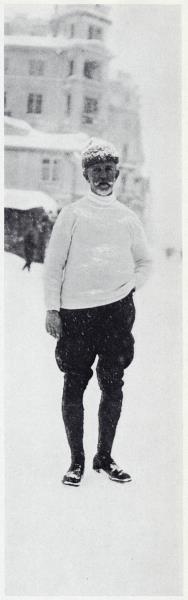
Born in 's-Hertogenbosch, Netherlands, on May 11, 1865, Jan Hendrik Leopold was described as a quiet yet diligent child. He demonstrated considerable talent and focus in artistic pursuits, including playing the piano and drawing. He was also regarded as adept in sports, frequently enjoying swimming and ice skating. Leopold's family fostered a significant passion for literature and poetry, with many family members being scholars of the Dutch language or accomplished writers themselves.
From 1883 to 1892, Leopold pursued classical literature studies in Leiden, at the University of Leiden. During his time there, he was an active member and eventually the president of a literary club named "Sodalicium Literis Sacrum." The club's members were prolific poets, and Leopold, along with his companions, engaged in discussions while consuming wine and exchanging stories in both Latin and Dutch. Notably, they expressed a strong dislike for modern European literature. Leopold completed his studies and graduated in 1889.
1.2. Early Career and Creative Period
After completing his studies, Leopold embarked on a significant journey to Italy, an experience he extensively documented in his writings. Upon his return to the Netherlands, he settled in Rotterdam in early 1892, where he commenced his professional career as a teacher of classical languages at the Gymnasium Erasmianum.
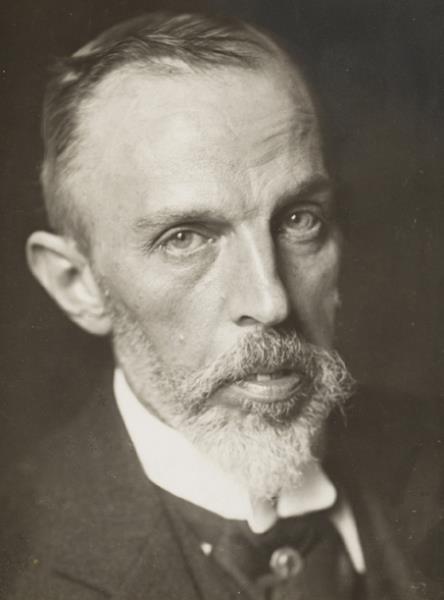
Contemporaries who encountered Leopold during this period offered vivid descriptions of him. One junior colleague recalled Leopold as a very tall man with a beard and a pale complexion, noting his distinctive gait-a remarkably slow and large-strided walk. He consistently exuded an intellectual aura, even when he laughed. Leopold also possessed a keen interest in fashion, occasionally purchasing striking items like yellow shoes, which led others to perceive him as both charming and eccentric.
During this period, Leopold actively participated in the literary movement known as De nieuwe gidsThe New GuideDutch, a literary circle that had shown interest in his work since his student days. He contributed numerous poems and literary pieces to this group, with poetry forming the bulk of his output. Beyond literature, Leopold cultivated a deep appreciation for Dutch philosophers such as Spinoza, writing several articles concerning Spinoza's philosophy. His intellectual interests also extended to music, where he found enjoyment in the compositions of Bach, César Franck, and Beethoven. Later in his career, he also held professorships at universities in Leiden and Groningen.
1.3. Later Life and Death
Towards the end of his life, particularly during World War I, Leopold experienced increasing isolation and detachment from others. He developed a perception that people were hostile towards him without justifiable reason. Jan Hendrik Leopold died in Rotterdam on June 21, 1925.
2. Literary Style and Characteristics
Jan Hendrik Leopold's poetry is characterized by a distinctive blend of influences and a highly personal, meticulous approach to creation. His works are often categorized within Symbolism, yet they also exhibit strong Romantic and Modernist traits, imbuing his texts with an intense emotional resonance. A prominent feature of his verse is its melancholic tone, which many critics attribute in part to his profound deafness; Leopold himself once described his life as "one long plaint."
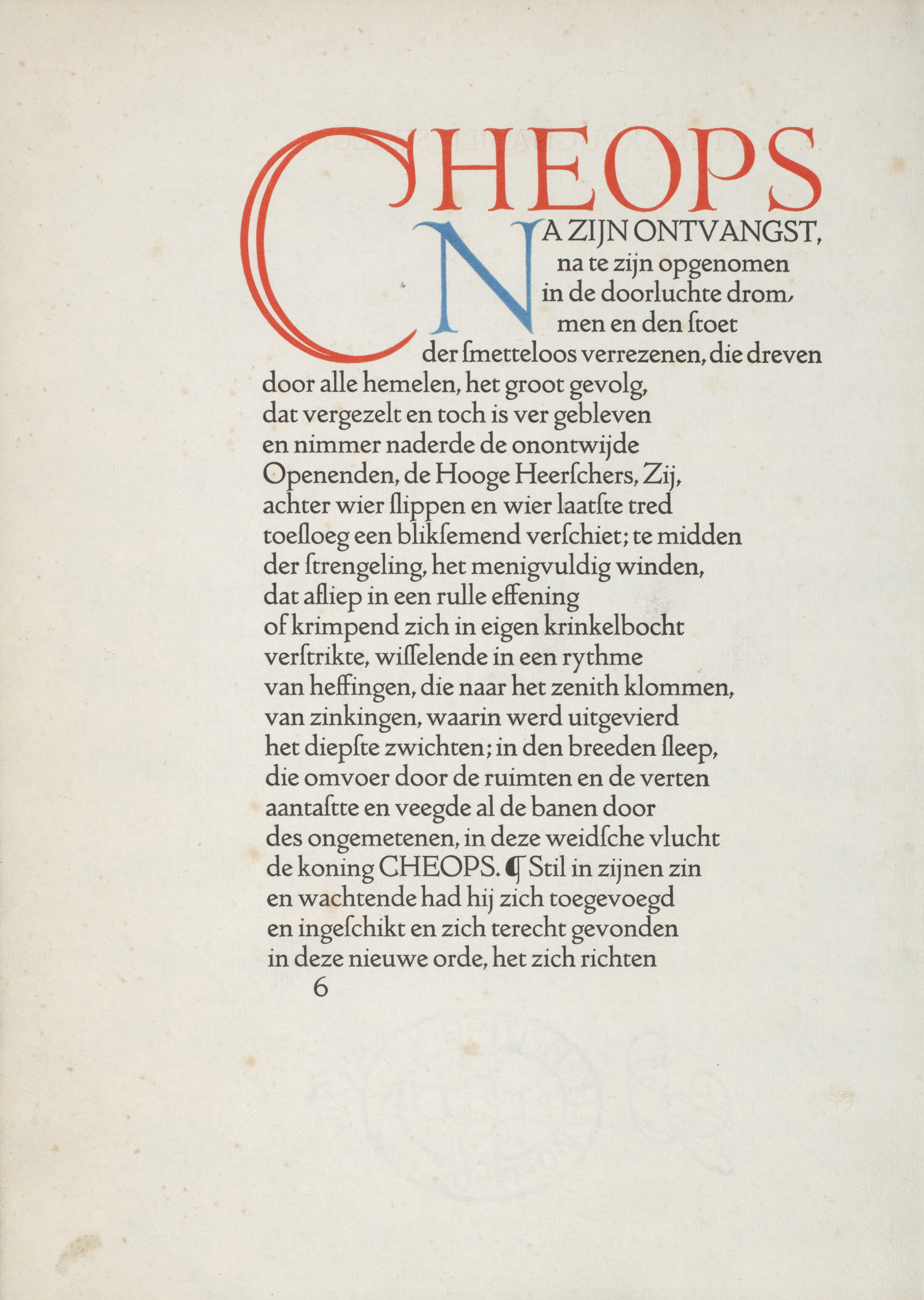
Leopold's approach to publishing was unconventional. Throughout his lifetime, he released only a single poetry collection and two small pamphlets, all in limited editions. However, following his death, a vast literary estate was discovered, comprising hundreds of documents. This collection included a wide array of materials: notes, sketches, quotations, numerous unfinished poetic fragments in various stages of completion, and dozens of complete poems. A defining characteristic of Leopold's creative process was his continuous revision and an inherent reluctance to finalize his works. He frequently wrote new versions of his poems, iterating on them repeatedly, yet he deliberately chose not to discard earlier drafts. Consequently, all of Leopold's poems exist in an inherently provisional state; even those appearing nearly complete were published without his explicit declaration of "final completion." This meticulous, non-definitive approach to his art makes it exceedingly difficult to ascertain a single, most "official" version of his poems, implying that in essence, no definitive final version truly exists.
3. Works
Jan Hendrik Leopold's published output, while selective during his lifetime, demonstrates his range as both a poet and classicist.
- Studia Peerlkampiana (1892)
- Ad Spinozae opera posthuma (1902)
- Stoïsche wijsheid (1904)
- M. Antonius Imperator (1908)
- Uit den tuin van Epicurus (1910)
- Verzen (1912)
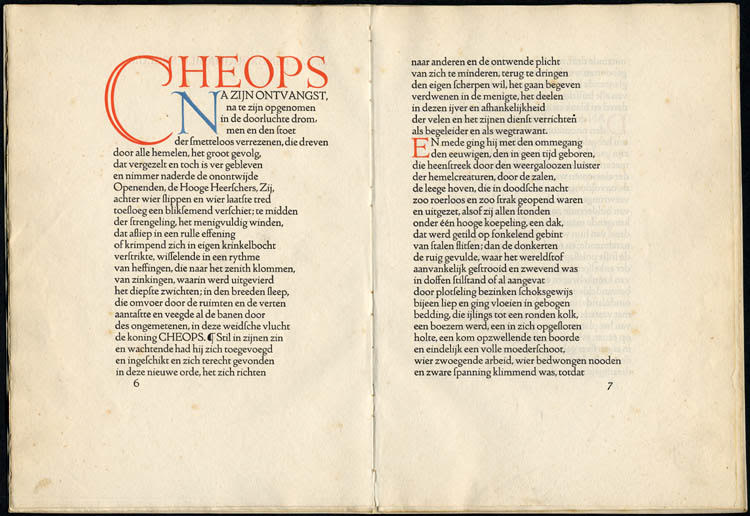
- Cheops (1916)
- Oostersch (1924)
- Verzen II (1926)
4. Legacy and Critical Reception
Jan Hendrik Leopold occupies an important place in Dutch literature, with his contributions continuing to be critically evaluated and appreciated. Despite his limited publications during his lifetime and his unique, often non-definitive approach to composition, his extensive posthumously discovered works have solidified his standing as a major Dutch Symbolist poet. The challenges inherent in interpreting his constantly revised and provisionally existing texts form a significant part of the critical discourse surrounding his oeuvre. Scholars continue to grapple with the complex textual history of his poems, seeking to understand the evolution of his artistic vision and the implications of his unconventional creative process. His melancholic tone and the intense, modernist sensibilities woven into his work ensure his enduring impact on poetic studies and appreciation.
5. Tributes and Memorials
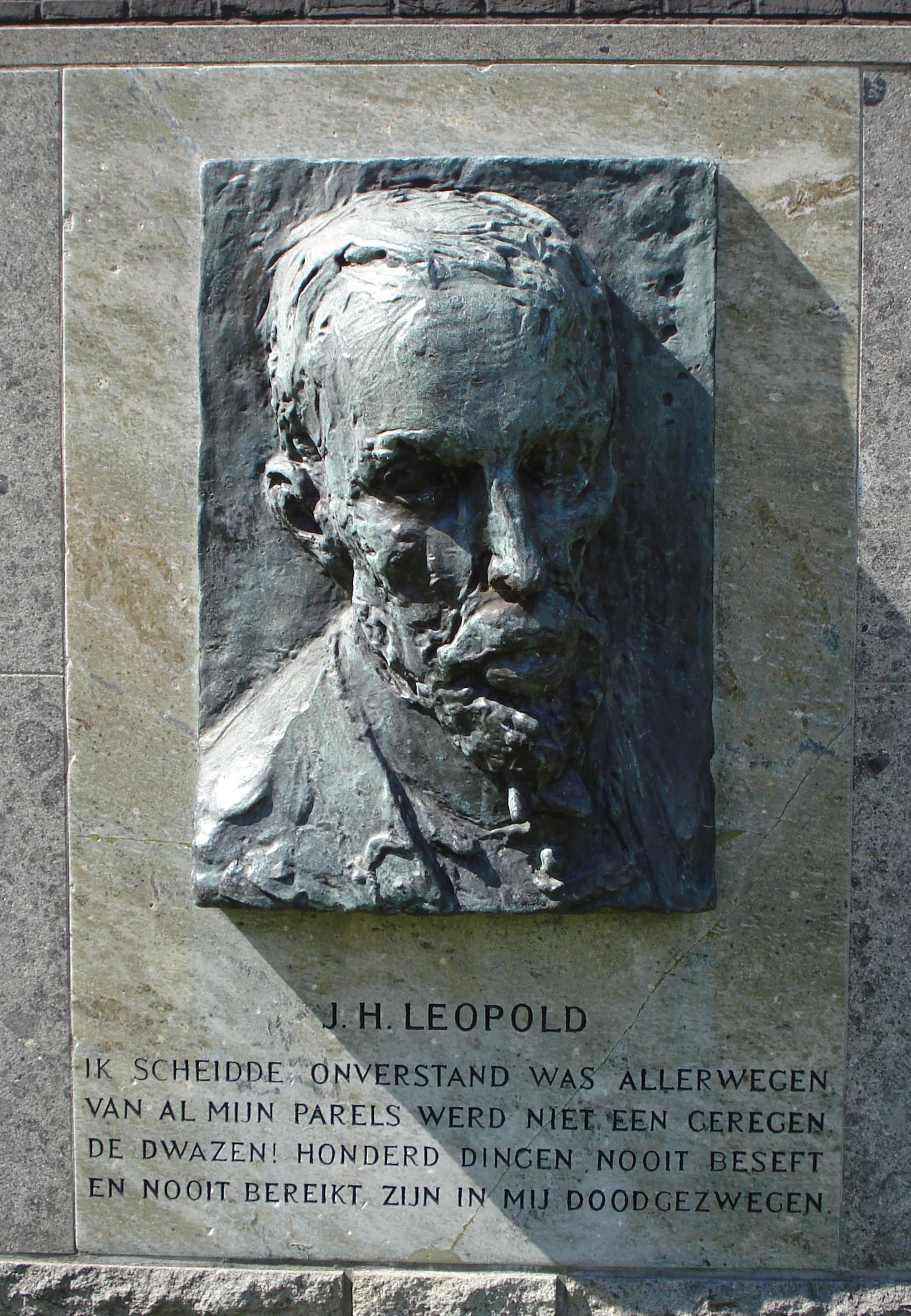
Jan Hendrik Leopold's legacy is commemorated through various tributes. A notable memorial to the poet is a cenotaph located on the campus of the Gymnasium Erasmianum in Rotterdam, where he once taught. This cenotaph includes a portrait of Leopold and an inscription of one of his poems, serving as a lasting tribute to his literary and academic contributions.